![]() |
|
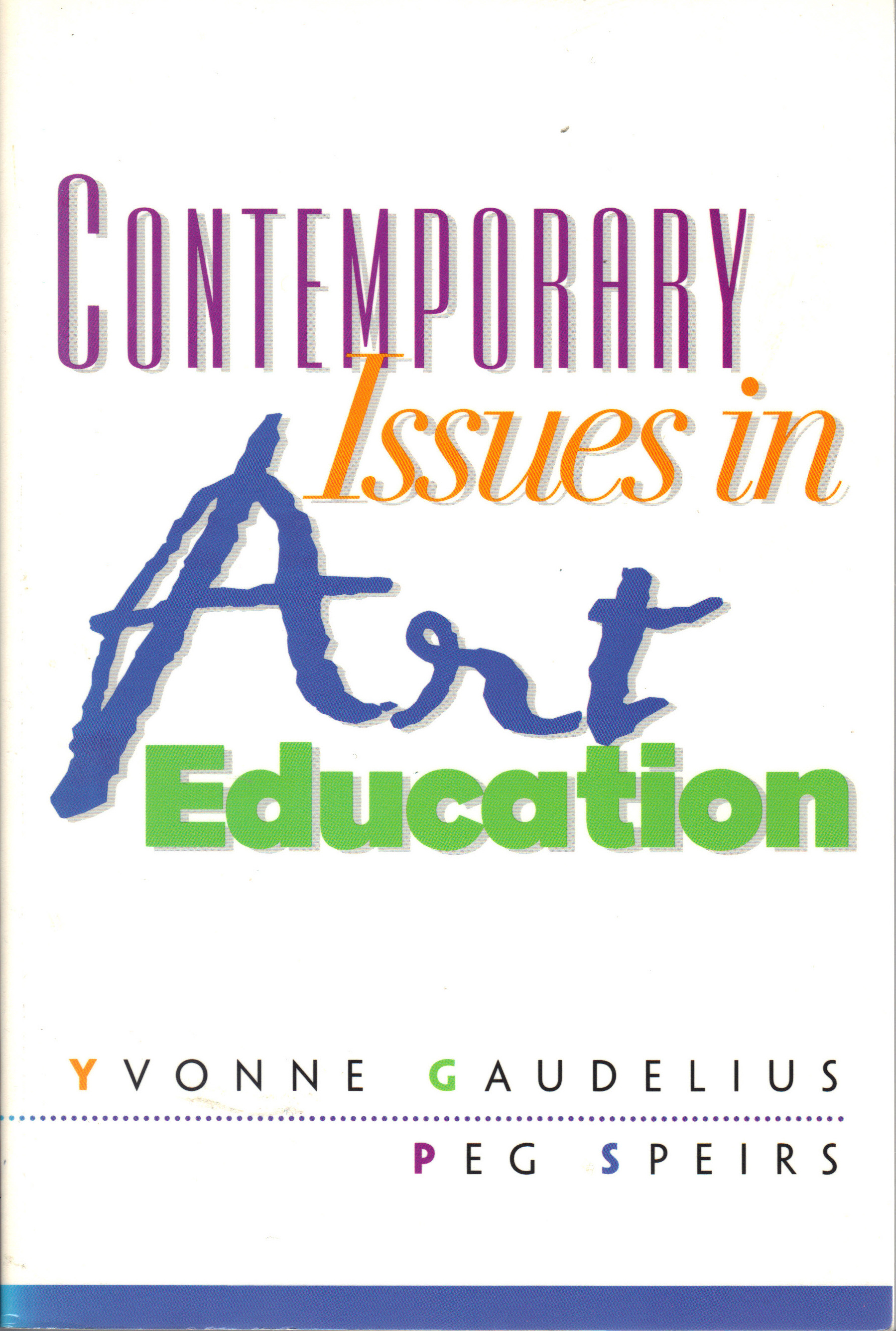
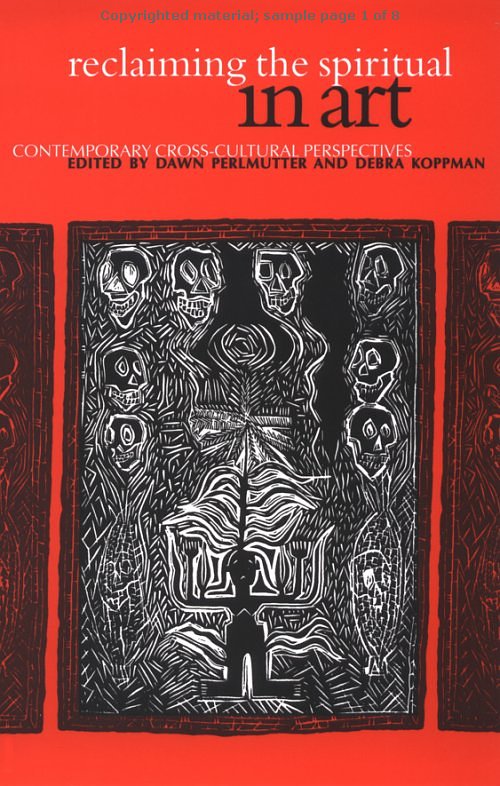
Debra Koppman is the Previews Editor for Artweek. She writes catalog essays and is the co-editor of Reclaiming the Spiritual in Art: Contemporary Cross-Cultural Perspectives (SUNY Press) 1999, and the author of a chapter in Contemporary Issues in Art Education (Prentice-Hall) 2002. From the chapter entitled Thou Art: The fact that in many ways the powers of the artworld-museums, galleries, institutions, and critics-have functioned as a secularized church, conferring status, enshrining objects, codifying belief and behavior, has given the "sacred" a bad name. Criticizing the deluded, religious character of modern philosophy for its hierarchical and evangelical overtones, postmodern sensibility rejects the conflation of the sacred with art. To talk in the present of reinvesting art with a sense of the sacred causes discomfort and suspicion. However, the deconstruction of modernism's spiritual undertones creates several problems. The dogmatic and absolutist tone often employed by postmodern theorists curiously mimics traditional religious dogma. Seemingly unaware of this irony, postmodern theorists have not actually strayed so far from the flock. Recurring patterns of religious behavior are exemplified in essentially Christian myths which survive in postmodern thought. Among these myths are Intelligent Life, The Protestant Work Ethic, The Death of the Author, The Appropriation Strategy, and The Myth of the Apocalypse.
Excerpt from Confessions of a Phenomenologist, Artweek, July/August 1998 I confess. I once knew that the moon doesn't actually rise, that the sun doesn't actually descend, that the stars are long dead. I forgot. So I watch the sunset, moonrise, and circling stars with awe, blissfully forgetful of the science-stories I was told. I confess. I have been a closet phenomenologist. In the closet because to say openly that your approach to writing about art is based in vision and experience has not been the best way to get oneself taken seriously in the very-important world of theoretical and philosophical discussion. My introduction to phenemonology was a revelation. It took place in the presence of about thirty doctoral students and a professor who walked up and down the aisles of a small auditorium balancing and wiggling a pencil between two fingers. We were to watch carefully, take a few minutes to describe our experience in writing, and then report back to the group. As I listened to other students' reports, I was stunned, as with slight variations, each one described how they had seen Dr. Ecker go around the room performing an optical trick familiar to any elementary school student. This had not been my experience. I had seen, in front of my eyes, a pencil, which I knew to be stiff and solid, turn to rubber. And I had been transfixed. |
This site was last updated 02/04/08